Light the stair treads
Give individual steps a measured line of concealed light.

Use subtle lines of light to bring out the shape of your entrance, staircase and landing. Start with the detail you want to illuminate.

A narrow hallway, an open stair and a generous landing each need a different approach. LED strip lighting can bring continuity between them, highlighting timber, wall finishes and architectural lines. Explore the application guides below, then shop strips or request a quote for the complete layout.
Choose the feature you want to light, then explore how it works within the wider space.
Give individual steps a measured line of concealed light.
Explore a continuous detail along the stair and landing.
Plan skirting and floor-edge accents around doors and corners.
Use an overhead cove to connect the entrance and landing.
Explore related lighting ideas for the way the space is used. These concepts illustrate design possibilities, not a specified product, verified installation or exact colour output.


Bring the idea back to your own surfaces, dimensions and preferred lighting mood.
Shop LED strip lightsPlan the lighting position, mounting and complete system around the actual space and the way it is used.
Under-tread light emphasises individual steps. A concealed handrail detail draws a continuous line through the stair, while skirting-level light follows the hallway. Select one leading feature before adding others so the entrance feels composed. Inspect the proposed positions from the foot of the stairs and from the landing, where exposed light sources can become more noticeable.
Measure every tread or straight section separately, including returns, landings and doorways. Mark cable crossings and an accessible position for the power supply before joinery or plastering starts. Separate control of the hall and stairs can make daily use simpler. If you want motion activation, specify the detection areas and desired operation when requesting your quote.
Send a staircase photo, a marked-up plan, individual run lengths and the available space for profiles and cables. Include the floor finish and your preferred controls. Decorative strip lighting does not replace required stair, safety or emergency lighting; have the overall lighting and electrical installation assessed for your setting.
Choose the lighting effect first, then check the strip, controls and installation together. These swatches explain the choices; they are not photographs of a product’s light output.
A softer white-light mood. Compare a sample with the materials and other lighting in your room.
Explore warm whiteA more neutral white-light appearance. Check the selected product and test it on the surface you want to light.
Explore natural whiteA cooler white-light appearance. Consider how it works with the room’s finishes and existing lights.
Explore cool whiteChange the white-light tone using compatible CCT controls. The available range depends on the selected strip.
Explore adjustable whiteExplore colour as a decorative layer with a compatible strip and controller. Keep practical task lighting in the scheme.
Explore colourWhat about RGBW? RGBW combines colour with a separate white channel. The white tone and control options depend on the product. Compare RGB and RGBW strip options and check the complete system.
Swatches are illustrative, not exact colour temperatures. Screens, surfaces and installation details change how light appears. Colour availability and suitability vary by selected product.
These products are starting points for sheltered dry indoor accent details. They do not establish a walk-on, structural, safety-lighting or emergency-lighting solution. Check the complete installation with the relevant supplier and installer.
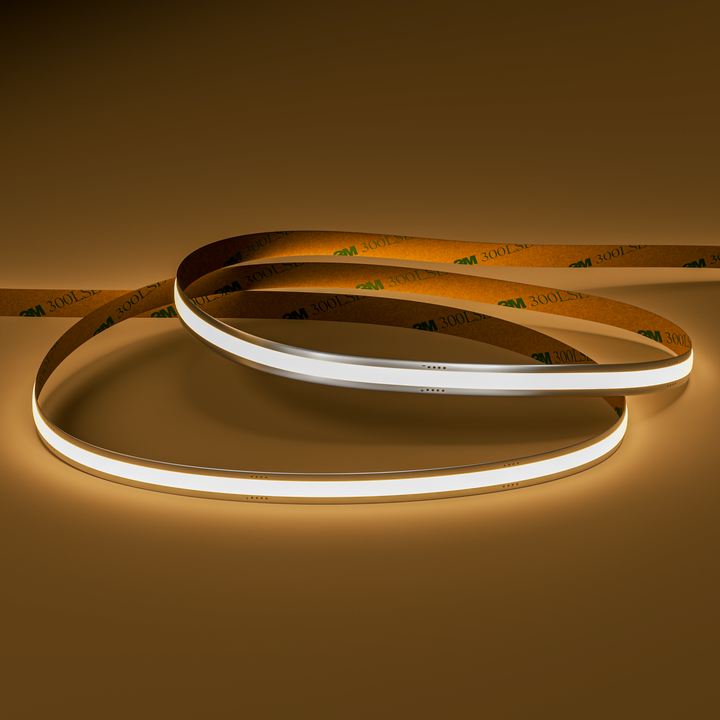
A fixed warm-white option for a consistent accent through a dry indoor hallway.Needs a suitable 24V supply; confirm dimming equipment and the feed plan for each run.
View product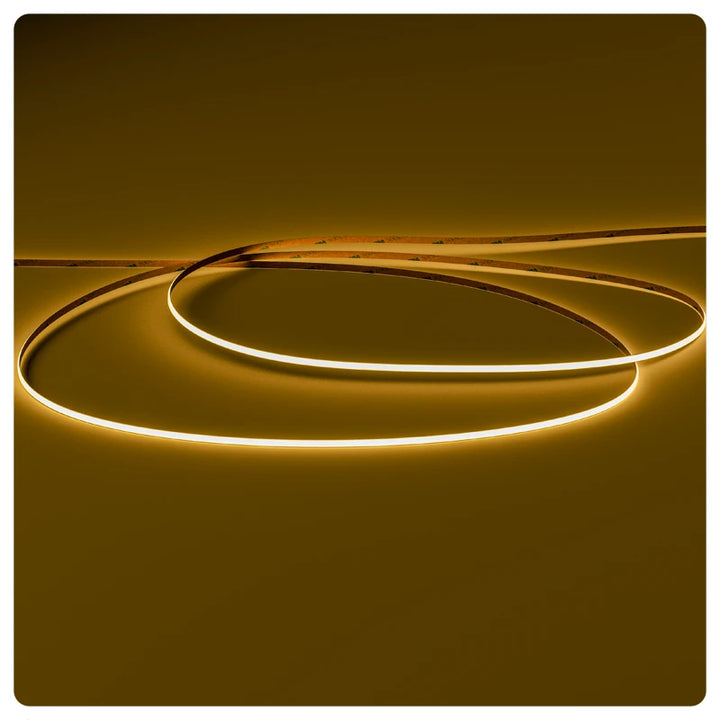
The narrow 4mm format is worth considering where an approved joinery detail has limited width.Check the complete recess, connection space and manufacturer instructions; narrow strip is not a walk-on product. This strip requires soldered connections.
View product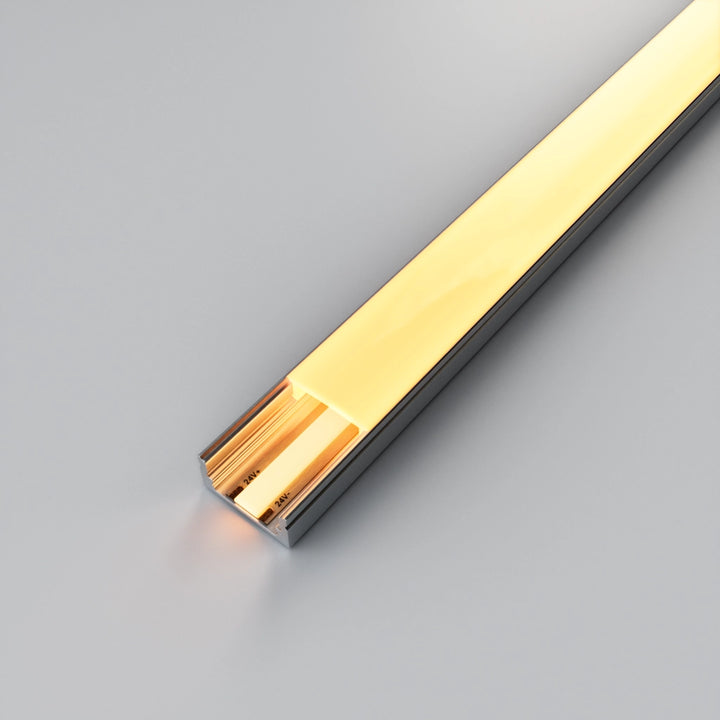
A surface-mounted profile for supported, sheltered wall or joinery details where routing is impractical.Check mounting clearances and strip fit. This profile is not specified here for foot traffic.
View productThese are individual products, not a complete lighting kit or a checked bill of materials. Confirm strip, profile, power, controls, connections and installation requirements together. Product imagery does not identify the products used in the lighting concepts.
Start with the strongest architectural feature: the treads, handrail or a continuous wall edge. A short sample at the proposed position helps you judge brightness and visibility before committing to the full route.
Yes, with a suitably designed system. Identify which runs should switch or dim together so the power supplies, controllers and wiring can be specified around those zones.
A compatible sensor arrangement can be considered. Share where people approach the stairs and how long you want the lighting to remain on; confirm sensor and control compatibility before ordering.
Do not rely on decorative strip alone to satisfy required stair, safety or emergency lighting. Keep those needs in the overall lighting plan and ask your installer to assess the installation.
Use the existing quote form to share your ideas and the details of your space.