Shelf lighting succeeds when it illuminates what belongs on the shelf, not just the edge above it. Plan around the real objects and leave enough flexibility for the display to change.
Living and dining inspiration
Consider the detail. See the wider room.
Explore related lighting ideas within a living space. These concepts illustrate design possibilities rather than a specified product, verified installation or exact colour output.
Lighting conceptLight within a recessConsider the opening, its surface and the objects it will hold.Lighting conceptA room with different layersLet the lighting around seating, storage and the table have distinct roles.
Bring the idea back to your own surfaces, dimensions and preferred lighting mood.
Plan the light position, mounting and complete system around the way the room is used.
Place the light around the contents
A front-side or front-edge position can bring more light to object faces; a rear position can create a silhouette or wall glow. Solid shelves cast shadows, so a top-only run may not reach the whole bookcase. Test with books and objects in place.
Make the hardware part of the joinery
Choose a surface or recessed profile before deciding how the shelves will be made. Check shelf thickness, channel depth, connector space and cable exits. Fixed wiring must not prevent an adjustable shelf from being moved as intended.
Balance the bays and the surrounding room
A shallow display niche needs a different output from a deep bookcase. Group the shelves so you can lower them for television viewing or evening dining. Keep drivers accessible, and seek specialist advice before lighting fragile, heat-sensitive or valuable collections.
Choose the mood
One space. Different ways to light it.
Choose the lighting effect first, then check the strip, controls and installation together. These swatches explain the choices; they are not photographs of a product’s light output.
WW
Warm white
A softer white-light mood. Compare a sample with the materials and other lighting in your room.
What about RGBW? RGBW combines colour with a separate white channel. The white tone and control options depend on the product. Compare RGB and RGBW strip options and check the complete system.
Swatches are illustrative, not exact colour temperatures. Screens, surfaces and installation details change how light appears. Colour availability and suitability vary by selected product.
Explore the products
Find the parts for your lighting detail.
These products offer starting points for suitable dry indoor details. Compare their current specifications with the location, mounting, controls and complete installation.
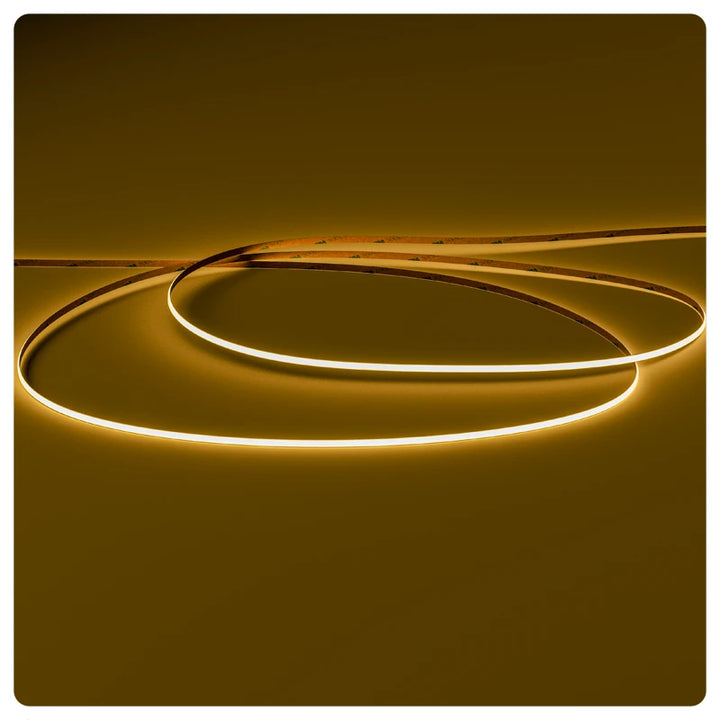
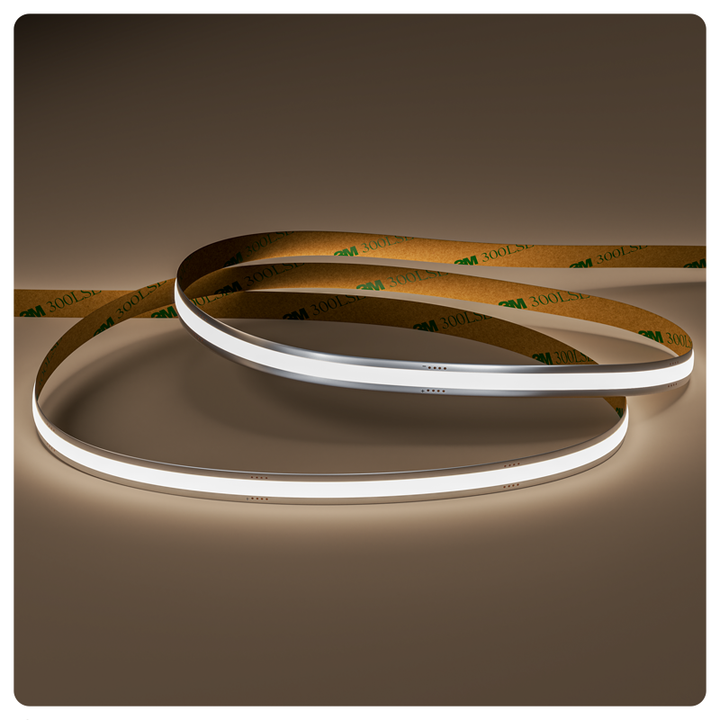
Seamless Warm White LED Strip, 4mm, 24V, 2700K
A narrow warm-white option for discreet furniture details.Check the space required for connectors and mounting, not only the strip width. This strip requires soldered connections.
A corner profile to direct light from a shelf or cabinet edge.Check the complete section and sightline before choosing a visible or concealed position.
These are individual products, not a complete lighting kit or a checked bill of materials. Confirm strip, profile, power, controls, connections and installation requirements together. Product imagery does not identify the products used in the lighting concepts.
Should shelf lighting sit at the front or the back?
Front positions may illuminate objects more directly; rear positions can emphasise silhouettes and the wall behind. Try a sample with the actual contents and check the view from the normal seating position.
Do I need a strip for every shelf?
Not always, but solid shelves can block light from a top run. Compare a vertical side arrangement with separate shelf runs to see which gives the effect you want.
Can shelves still be adjustable?
Yes, if the lighting and cable arrangement are designed around that requirement. Tell the joiner which shelves must move and avoid a wiring detail that strains or blocks their adjustment.
What measurements are useful for a shelf-lighting quote?
Send each bay’s width and depth, shelf thickness and spacing, proposed light position and cable route. Photos of typical objects and the usual viewing position also help.